Code Mono: Your Gateway to Sharp, Pixel-Inspired Design
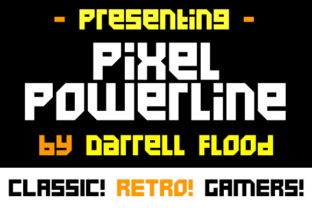
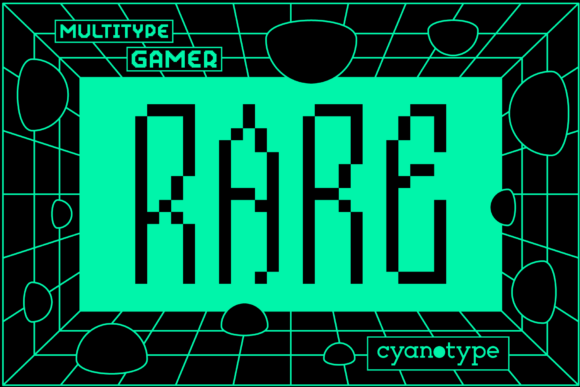
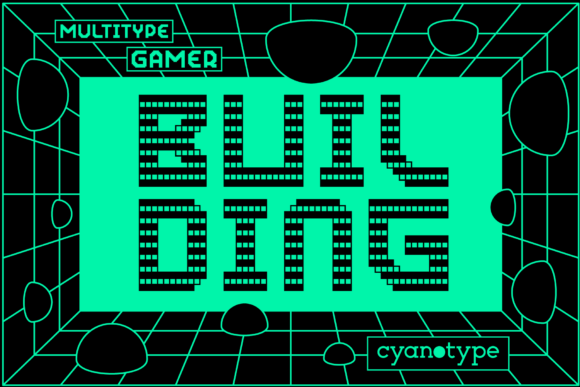
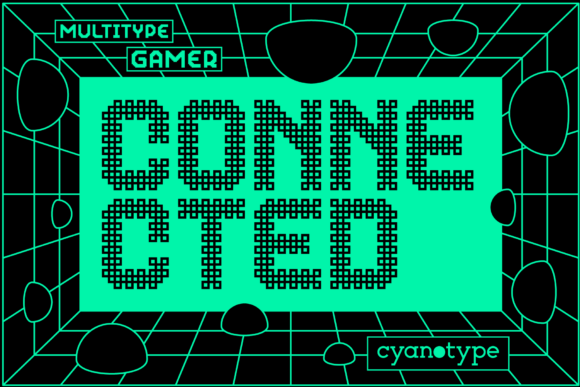
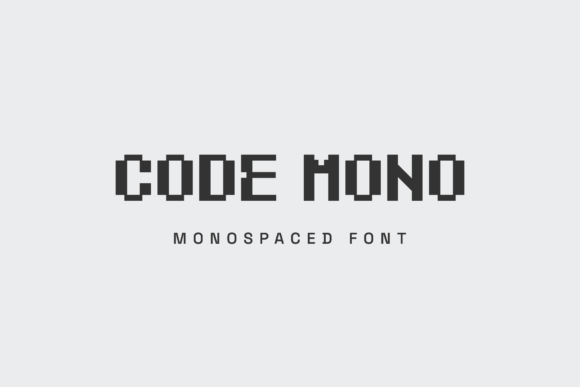
Imagine a typeface that captures the crisp, blocky aesthetic of classic video games and early computer terminals, yet feels perfectly suited for modern design. That's the essence of Code Mono, a pixel-inspired display monospaced font built from sharp, geometric shapes. It delivers a distinct technical and industrial vibe, making it an excellent choice for projects that need a clean, futuristic, or retro-digital look.
This typeface is more than just a novelty; it's a versatile design asset. Its uniform character width—a hallmark of monospaced fonts—ensures perfect alignment, which is crucial for creating balanced logos, impactful headers, and structured layouts. Whether you're designing a tech startup's brand identity, a gaming poster, or a data visualization dashboard, Code Mono provides a strong, consistent foundation.
Where Code Mono Truly Shines
Understanding the right context for a font is key to its success. Code Mono excels in environments where clarity and a specific aesthetic are paramount. Consider it for:
- Logo and Brand Identity: Craft memorable wordmarks and logomarks with a technical edge. It's particularly effective for brands in software, gaming, esports, and digital innovation.
- Display Typography: Use it for titles, headers, and hero text on posters, websites, and social media graphics to instantly grab attention with its chunky, screen-gridded character.
- Digital Interfaces: Enhance the look of coding interfaces, app UIs, or data-heavy dashboards. Its monospaced nature ensures text columns align perfectly, aiding readability in technical contexts.
- Editorial and Packaging: Add a retro-tech flair to magazine layouts, book covers, or product packaging, especially for items targeting a tech-savvy or nostalgic audience.
Tips for Choosing and Using Code Mono
To get the most out of this premium font, a little strategic thinking goes a long way. First, always test its readability in your intended medium. At smaller sizes, its pixelated edges might soften, so it's often best reserved for larger display text or specific UI elements where its style is a feature, not a bug.
Next, consider your project's mood. Code Mono's clean, technical aesthetic pairs well with minimalist layouts, dark color schemes, and other sans-serif or geometric fonts. Experiment with font pairing—try combining it with a simple, elegant sans-serif for body text to create a balanced and professional hierarchy.
Finally, check the available styles and the license. Ensure the font includes all the characters and weights you need and that the commercial license covers your intended use, whether for client projects, merchandise, or digital products. Investing in a well-designed typeface like this is an investment in the visual consistency and professional presentation of your work.
Choosing the right typeface is a subtle but powerful decision that shapes how your audience perceives your design. A font like Code Mono doesn't just display text; it communicates a specific feeling—precision, innovation, and a nod to digital heritage. For designers aiming to inject a sharp, techy character into their projects, it proves to be a valuable and creative tool in the typography toolkit.